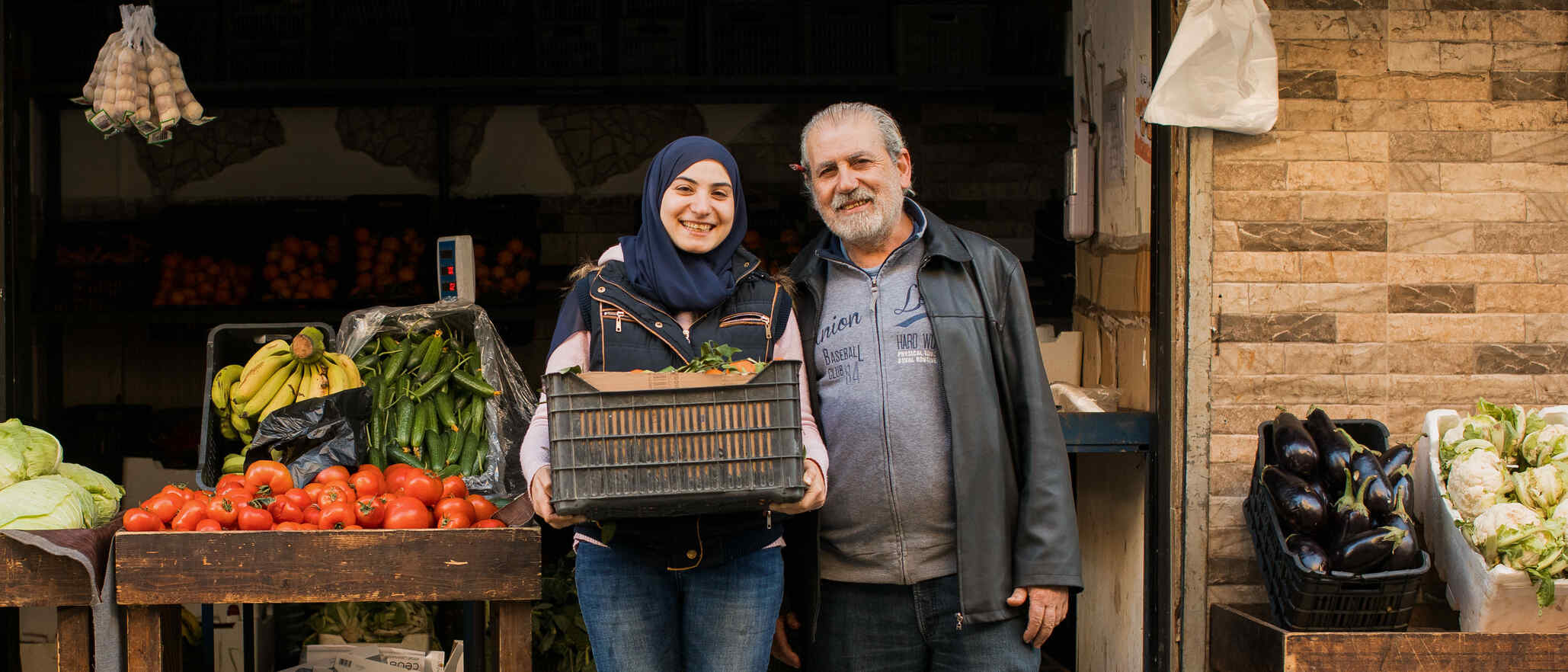
Economic wellbeing means people have their most basic survival needs met and have sustainable income and assets so they can prosper. During and after crises, people may be forced to make short-term decisions to survive—such as pulling children out of school to work—that will have long-term negative consequences.
Education
During conflict and crisis, education protects children and sets them up for a better future. It provides a sense of hope and enables them to recover, learn and thrive. However, over 127 million children in countries affected by war and displacement are out of school, while many others receive only a poor quality education. Despite this great need, education has received less than three percent of all humanitarian aid in recent years.
Health
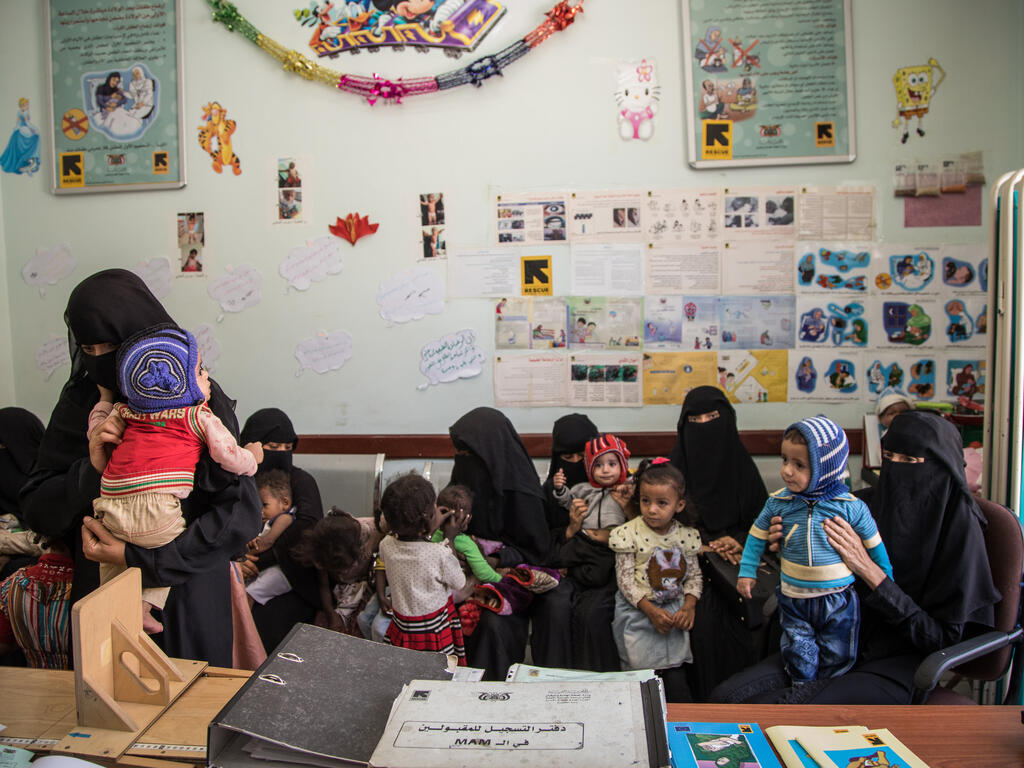
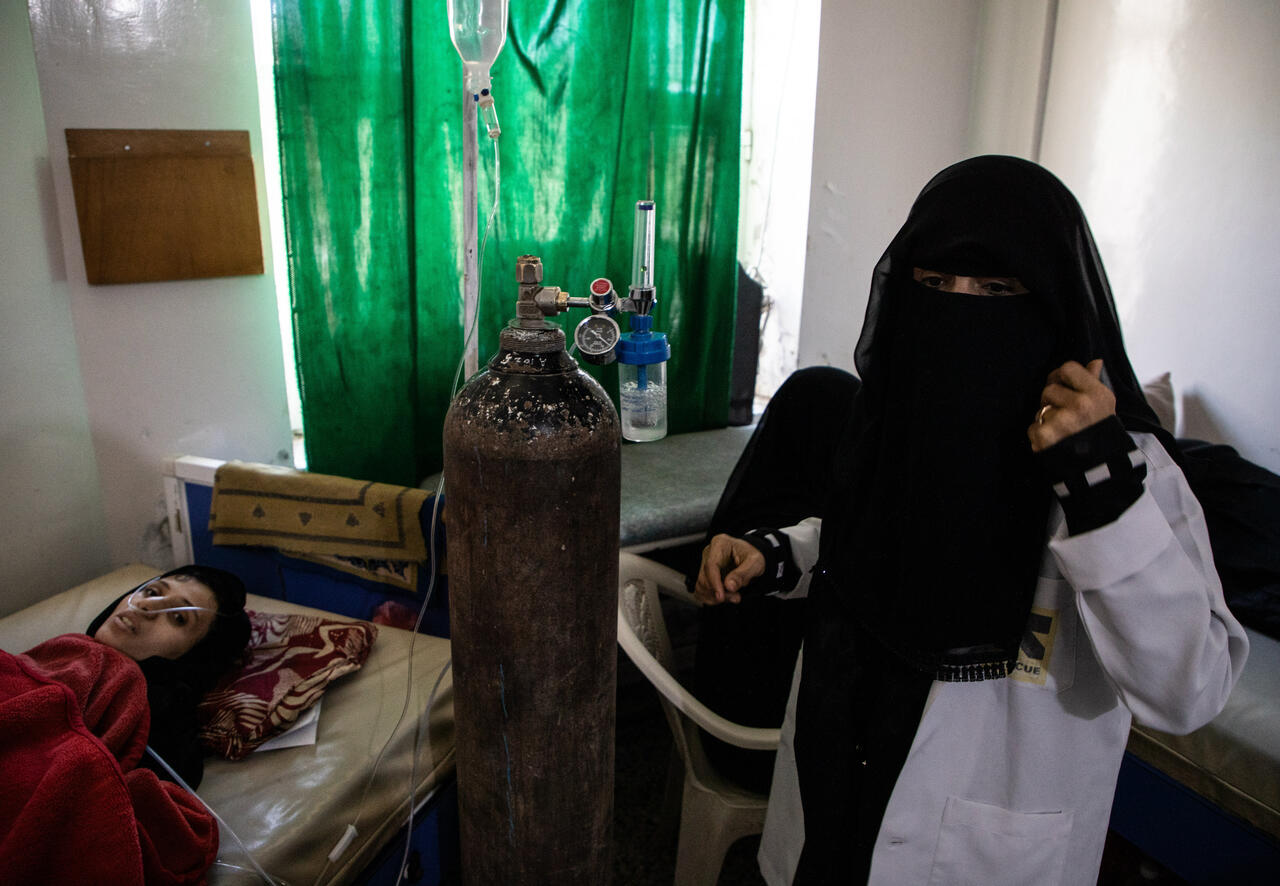
Each year, millions of people, particularly women and children, die from preventable causes in countries affected by violent conflict and natural disasters. Most of these deaths are the result of disruptions related to crisis: poor sanitation, shortages of food and medicine, and inadequate prevention. Refugees resettled in the United States also can face difficulties accessing proper health care.
Women & Girls
Women and girls—particularly in places affected by crisis—face discrimination, violence, and a lack of equal opportunities that threaten their lives and rob them of their potential. But with the right support and investment, they can change their own future and uplift entire communities. They can change the world.